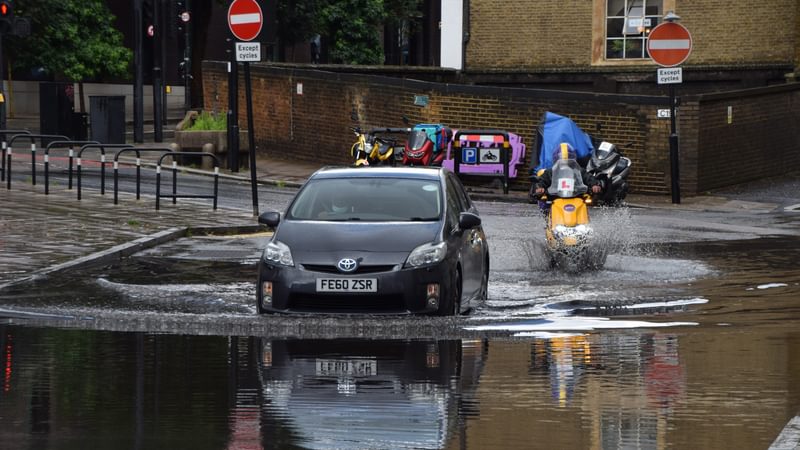
Building an equitable transport transition in London

Addressing the barriers to zero-emission vehicle adoption by microbusinesses and sole traders in London.
London has been at the forefront of efforts to reduce road transport emissions through measures such as the Congestion Charge (CC) and Ultra Low Emission Zone (ULEZ). This has led to emission reductions and improvements in air quality, but more needs to be done. At the end of 2025, diesel van registrations in London reached their highest level ever, exceeding 100,000 for the first time.
This research considers how microbusinesses and sole traders, who often lack the upfront capital to make the switch to electric vehicles, can be enabled to participate in the transition to zero-emission freight.
Drawing on interviews with 45 business owners, the report explores:
- What are the key financial, logistical, and informational barriers preventing sole traders and microbusinesses from switching to clean vehicles, and how can these be overcome?
- How can policy and campaign strategies be designed to ensure that small and micro businesses and sole traders - especially those facing social or economic disadvantage - are supported to adopt zero-emission vehicles in an equitable way?
With policy incentives currenlty primarily directed at achieving fleet transitions, the research finds that sole traders and microbusinesss are at risk of being left behind.
The research makes a number of key recommendations for policymakers in London and nationally, including:
- Introducing government-backed low-interest loans for new and used electric van purchases by microbusinesses and sole traders that may struggle to access commercial finance.
- Reducing VAT on public EV charging from 20% to align it with the VAT rate on domestic electricity bills.
- Developing a ‘kitemark’ or standardised testing protocol for used electric vans, particularly around battery health, to instil greater confidence in the used electric van market.
- Promoting the development of van-friendly charging infrastructure.
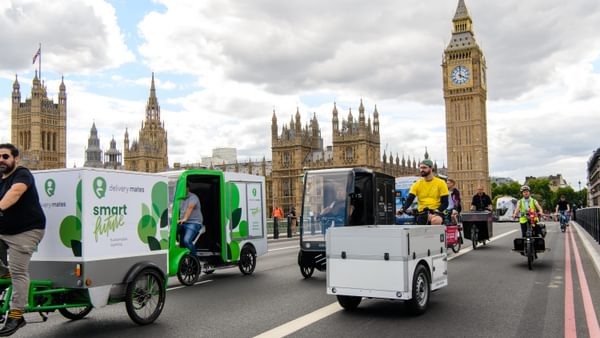
Delivering Value: the economic costs of freight
This analysis compares the social, environmental and economic impacts of diesel and electric vans with e-cargo bikes.
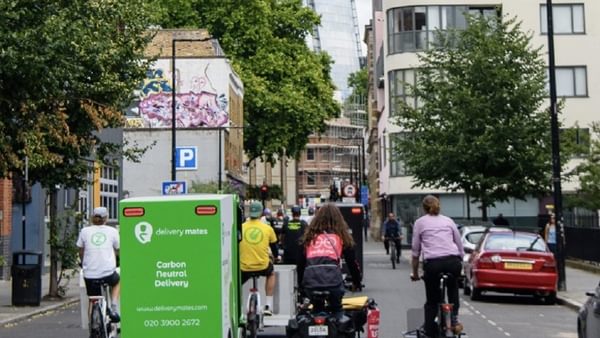
Pathways to Zero-Emission Freight in London
This research sets out a 5-year policy roadmap to reduce harmful emissions from freight in central London and models the carbon and health cost savings associated with a zero-emission freight zone.